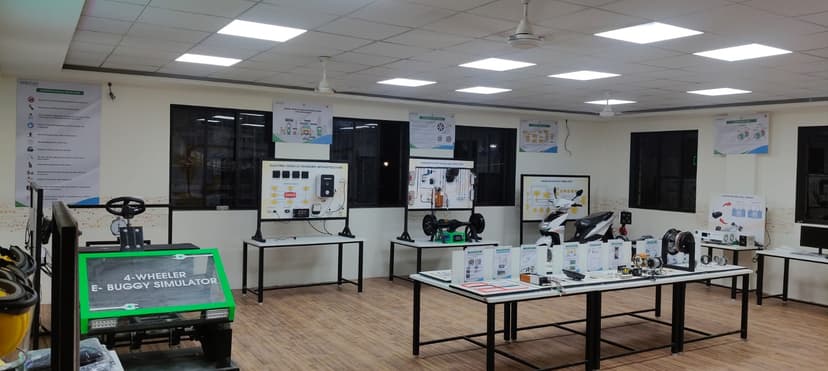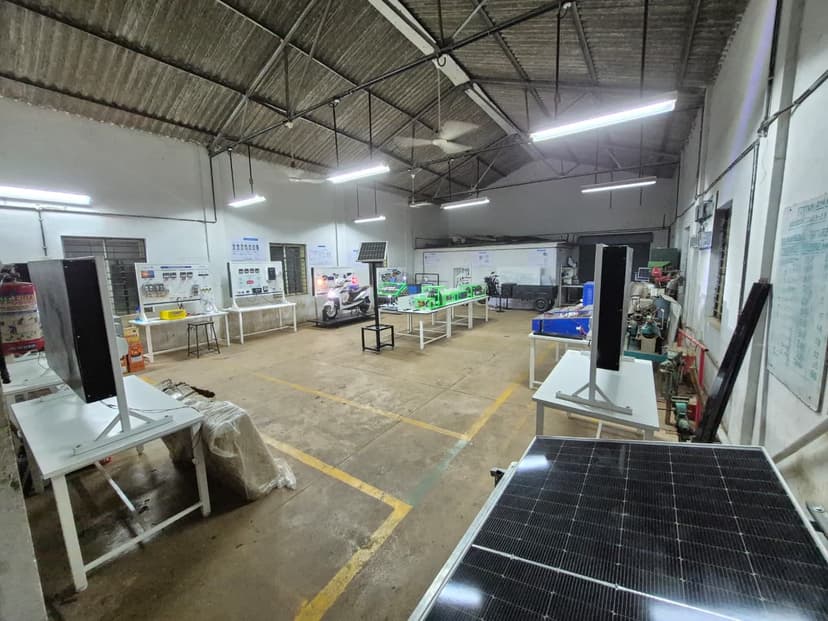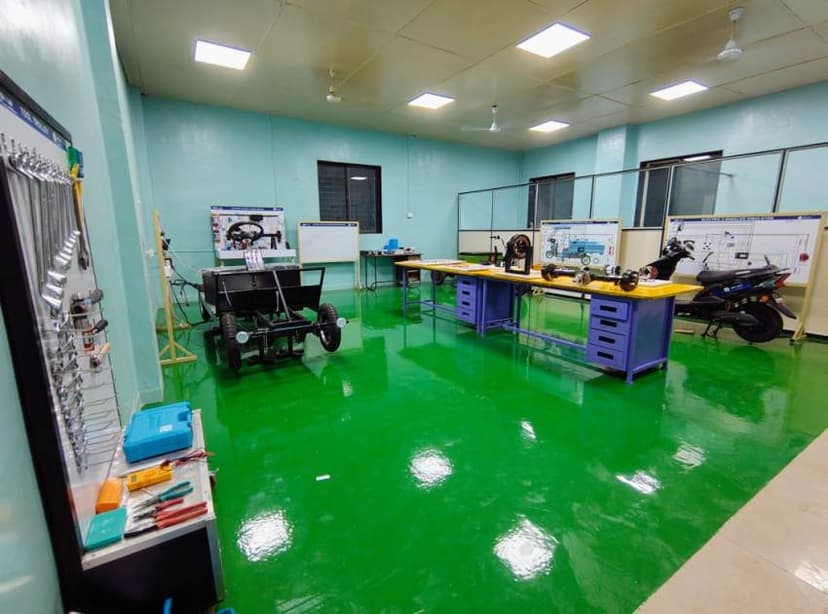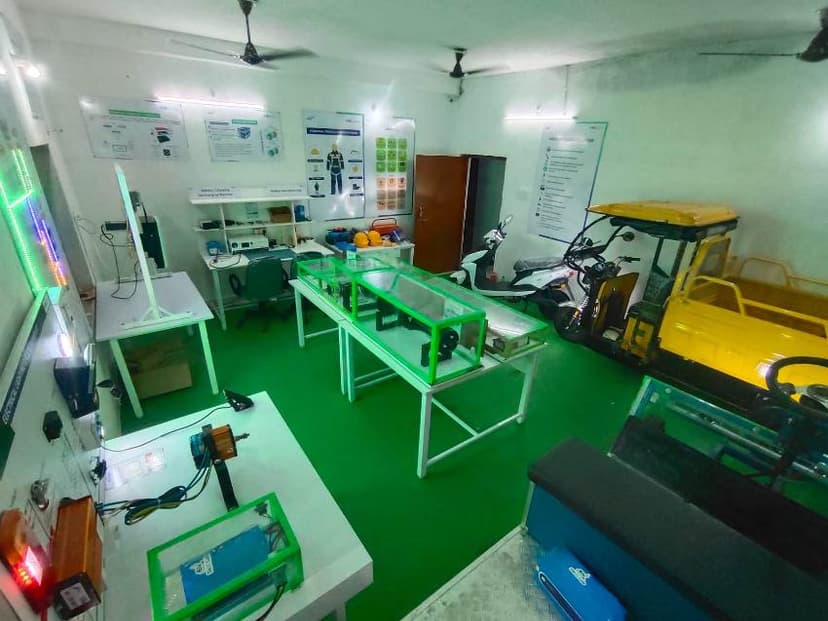
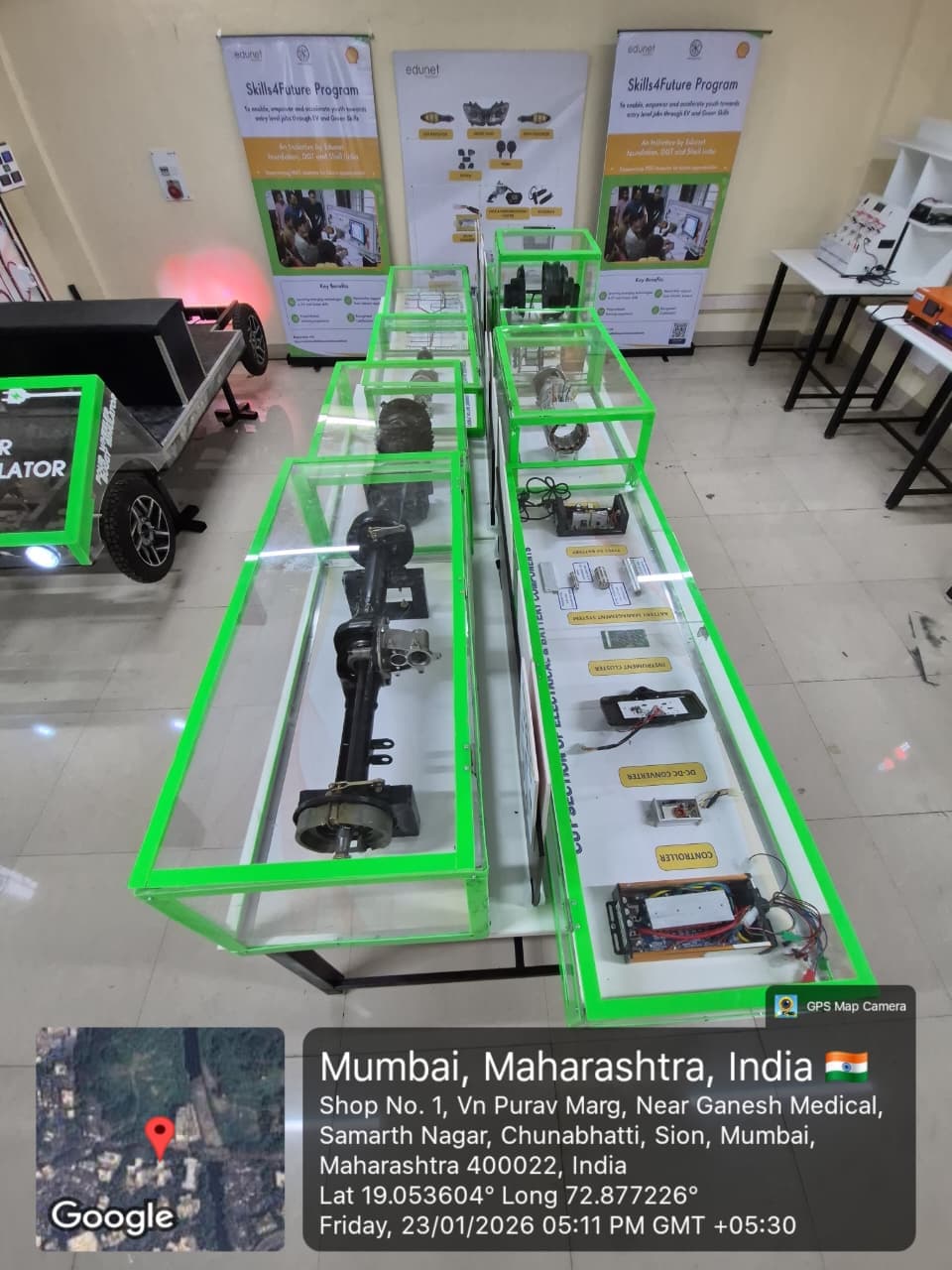
Electric two-wheeler and four-wheeler systems are the training ground at NSTI Mumbai, Maharashtra, whose EV lab was completed in January 2026 as an Electric Vehicle Centre of Excellence at the National Skill Training Institute.
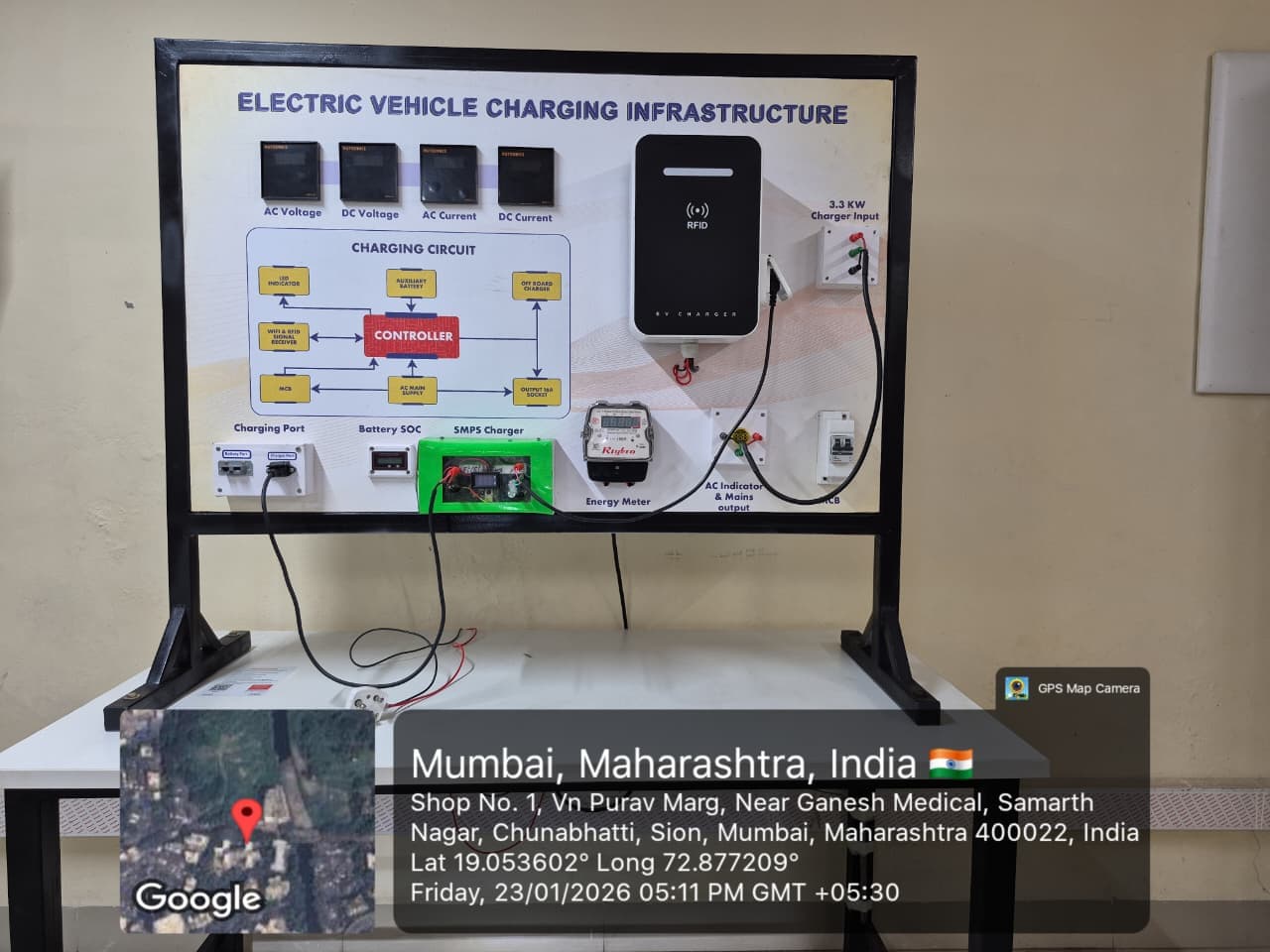
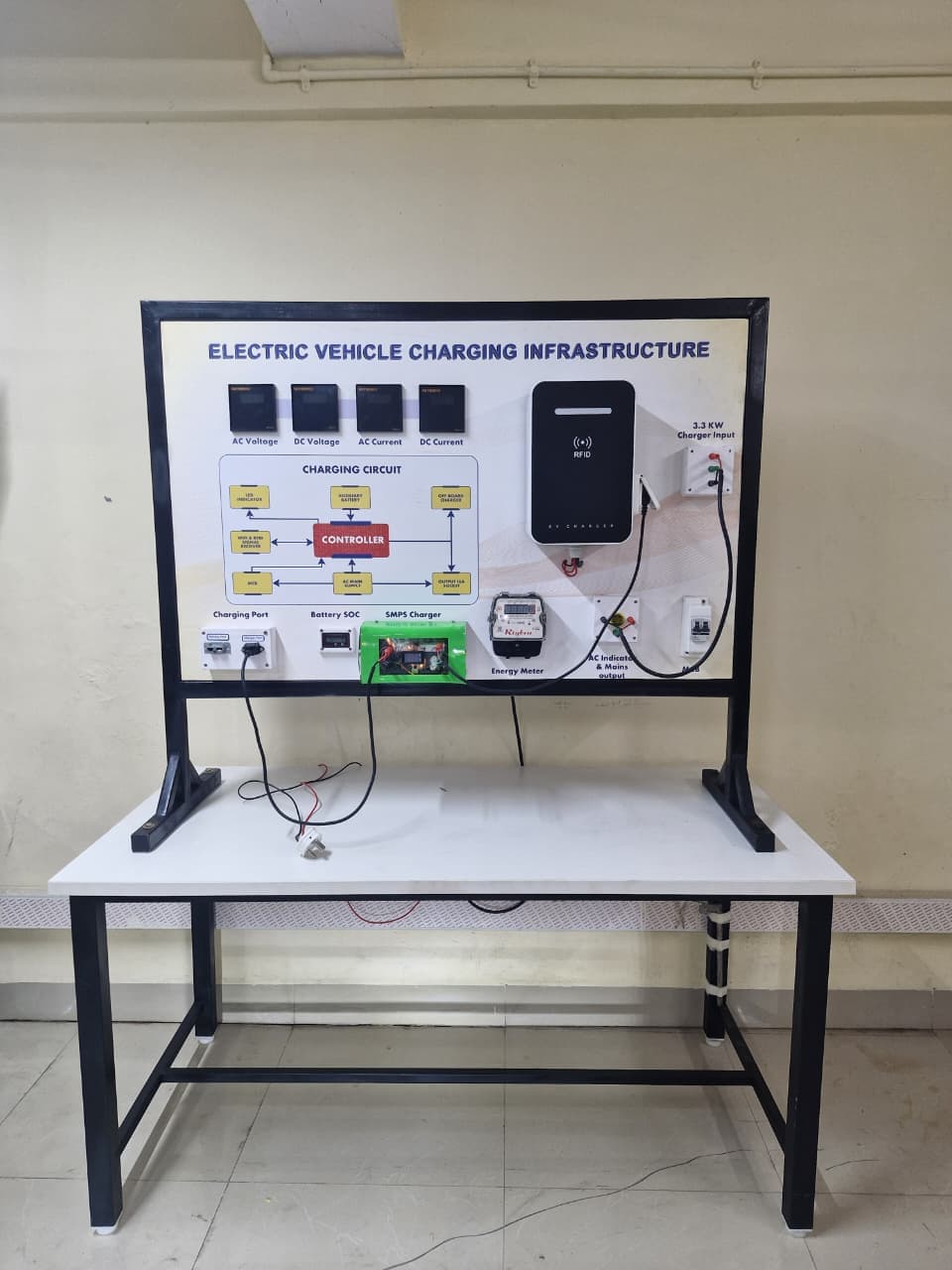
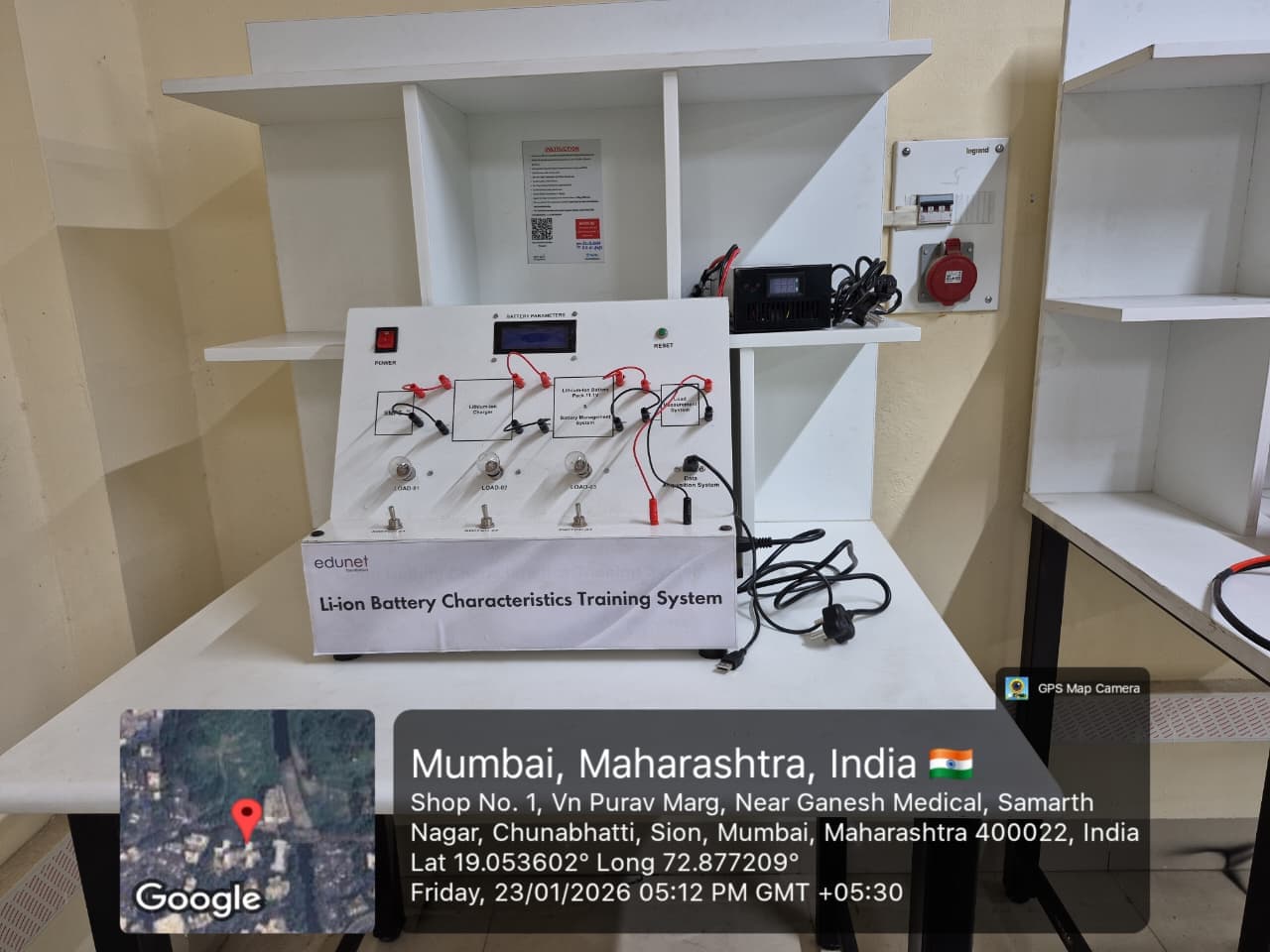
The centre is equipped with 2-wheeler and 4-wheeler EV simulators, EV drivetrain and motor testing systems, lithium-ion battery testing equipment, smart battery management system (BMS) units and EV charging stations, backed by complete safety infrastructure for working around high-voltage components.
Simulators let trainees fault-find on a full vehicle without the cost or risk of opening a road-going EV, while the motor testing systems show how the drivetrain responds under load. Smart BMS units expose cell voltages, temperatures and state of charge, the same data a service technician reads before deciding whether a pack needs balancing, repair or replacement.
Trainees use the simulators and motor test systems to practise EV diagnostics, run lithium-ion battery analysis on the test equipment, interpret BMS data and follow charging procedures on the charging stations, with real-time data monitoring throughout. These tasks prepare them for roles such as EV service technician, battery testing technician and charging station technician.
In Mumbai, where electric buses, fleet cars and delivery scooters share the road, that mix of diagnostic and charging skills matches the work waiting in the city's service workshops and depots.